

Design & Build
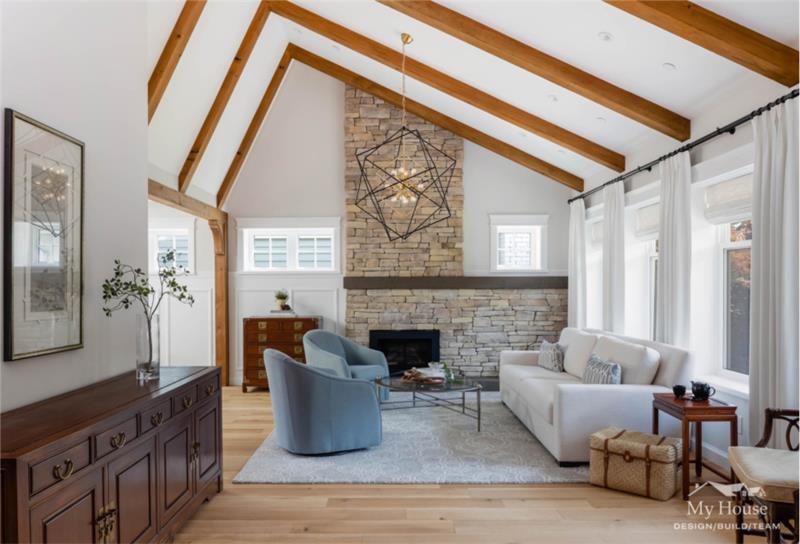
Color Psychology in Interior Design: Choosing the Right Palette
Every room tells a story, and color is its most expressive language. The shades that fill your home can transform the way you feel, think, and interact with your surroundings. Through the art and science of Interior Design Color Psychology, homeowners can create spaces that not only look beautiful but also support their emotions, lifestyle, and wellbeing.
Choosing the right color palette is about more than just matching walls and furniture—it’s about creating harmony, setting moods, and expressing individuality.
Understanding Interior Design Color Psychology
Interior Design Color Psychology explores how different hues influence our emotions and perceptions. Every color evokes a specific response—some are calming, others energizing, and a few stimulate creativity or focus.
Designers often use this understanding to tailor interiors that align with their clients’ emotional goals. For example, soft blues can induce relaxation, while golden tones create warmth and sociability. By blending these psychological cues with aesthetic principles, a space becomes both functional and emotionally fulfilling.
The Emotional Impact of Color
Colors have profound emotional resonance. They can make a space feel expansive or intimate, bright or soothing. Understanding these nuances is key to designing harmonious interiors.
- Warm Colors: Shades like red, orange, and yellow evoke warmth, enthusiasm, and comfort. They’re perfect for communal areas like living rooms or dining spaces where connection thrives.
- Cool Colors: Blues, greens, and purples bring calmness and serenity. They work beautifully in bedrooms or home offices where peace and focus are essential.
- Neutral Colors: Beige, gray, and cream provide balance and sophistication. They act as a canvas for accent tones and create timeless, adaptable spaces.
These emotional cues form the foundation for aligning mood and color combinations with personal preferences.
Mood and Color: Creating Emotional Harmony
The connection between mood and color is undeniable. Each hue influences how we feel within a space, shaping our behavior and even our mental state.
- Red: Inspires passion and energy but can feel overwhelming in large doses. Ideal for accents in social spaces.
- Yellow: Associated with happiness and optimism. Perfect for kitchens or entryways where you want to uplift the mood.
- Green: Represents balance and renewal. Works well in living rooms or bedrooms for a natural, calming effect.
- Blue: Promotes relaxation and trust. Ideal for bedrooms or study areas.
- Purple: Adds luxury and depth, suited for creative or reflective spaces.
When selecting colors, consider how you want each room to make you feel. Whether it’s energizing mornings in a bright kitchen or serene nights in a soft-toned bedroom, thoughtful room color choices make all the difference.
Room Color Choices: Designing with Purpose
Each room in your home serves a different purpose, and its color palette should reflect that intention.
- Living Room: Warm neutrals with soft greens or earthy tones create a welcoming and comfortable atmosphere.
- Kitchen: Fresh hues like soft yellows or mint greens promote energy and cleanliness.
- Bedroom: Cool blues, muted pinks, or gentle lavenders encourage relaxation and intimacy.
- Bathroom: Whites and light grays provide freshness and calm, making small spaces appear larger.
- Home Office: Subtle blues or greens enhance concentration and productivity.
The key lies in consistency—maintaining a cohesive flow of colors throughout your home while giving each space its own personality.
Balancing Aesthetics and Functionality
A visually appealing home also needs to feel functional. When choosing colors, balance is essential. Too much contrast can overwhelm, while too much uniformity may feel uninspired.
Coordinate wall colors with furniture, flooring, and décor to ensure visual cohesion. Lighting also plays a significant role in how colors appear. Soft, warm lighting can make cool tones cozier, while daylight accentuates true hues.
Design harmony comes from aligning aesthetic goals with practical living needs—creating a home that feels both stylish and comfortable.
Light, Texture, and Perception
Lighting transforms the way colors appear in a room. Natural light highlights true tones during the day, while artificial light can warm or cool hues at night.
Textures also impact color perception. Matte finishes soften tones, while glossy surfaces reflect light and enhance vibrancy. Wooden textures warm up neutrals, while metallic accents modernize cool colors.
Testing paint samples under different lighting conditions helps ensure that your chosen palette remains consistent and appealing throughout the day.
The Psychology of Neutrals and Accents
Neutrals serve as the foundation of timeless design. They allow other colors to shine and maintain a sense of calm. Gray, beige, cream, and soft white are versatile and can adapt to different styles.
Accents, on the other hand, inject character. Whether it’s a bold cushion, an art piece, or an accent wall, pops of color add depth and interest without overwhelming the space.
A thoughtful balance of neutrals and accents ensures your home feels elegant yet vibrant—a reflection of personal taste and emotional balance.
Expert Tips for Choosing the Right Palette
Here’s a simple roadmap to designing with color intentionally:
- Start with Emotion: Decide how you want each room to feel before choosing any paint.
- Draw Inspiration from Nature: Earthy tones bring peace, while ocean hues inspire freshness.
- Use the 60-30-10 Rule: 60% dominant color, 30% secondary color, 10% accent.
- Consider Flow Between Rooms: Ensure one room transitions seamlessly into the next.
- Test Before You Commit: Observe colors under different lights throughout the day.
If you’re building or redesigning your dream space, custom home design services can help you turn your ideas into reality with color strategies that align with lifestyle and architecture.
Bringing It All Together: Designing with Intention
Your home is a reflection of who you are. The colors you live with should make you feel inspired, relaxed, and connected. By understanding the principles of color psychology, you can craft interiors that nurture well-being and express personality.
Each shade contributes to the story of your home—whether it’s the calm of soft blues, the warmth of golden tones, or the sophistication of neutrals.
If you’re ready to bring your vision to life, reach out through the Contact Us page to connect with design professionals who can help you create spaces that resonate emotionally and aesthetically.
FAQs
How does color psychology influence home design?
Color psychology guides how hues impact our emotions, helping homeowners design spaces that promote comfort, focus, or relaxation depending on their purpose.
Which colors make small spaces look larger?
Light colors like whites, soft grays, and pastels reflect more light, making rooms appear open and airy.
How do lighting conditions affect color choices?
Lighting changes how colors look—natural light reveals true tones, while artificial light can warm or cool them. Always test colors under different conditions.
Can neutral tones still create a strong emotional impact?
Absolutely. Neutrals provide calmness and sophistication and serve as a perfect backdrop for expressive accents.